Skin cancer is the most common cancer diagnosed in the United States, with more than 1 million cases diagnosed in the US in 2008. Fortunately, there are steps you can take to protect your skin and reduce your risk of getting skin cancer.
Skin Cancer Prevention
Action Steps from the Environmental Protection Agency
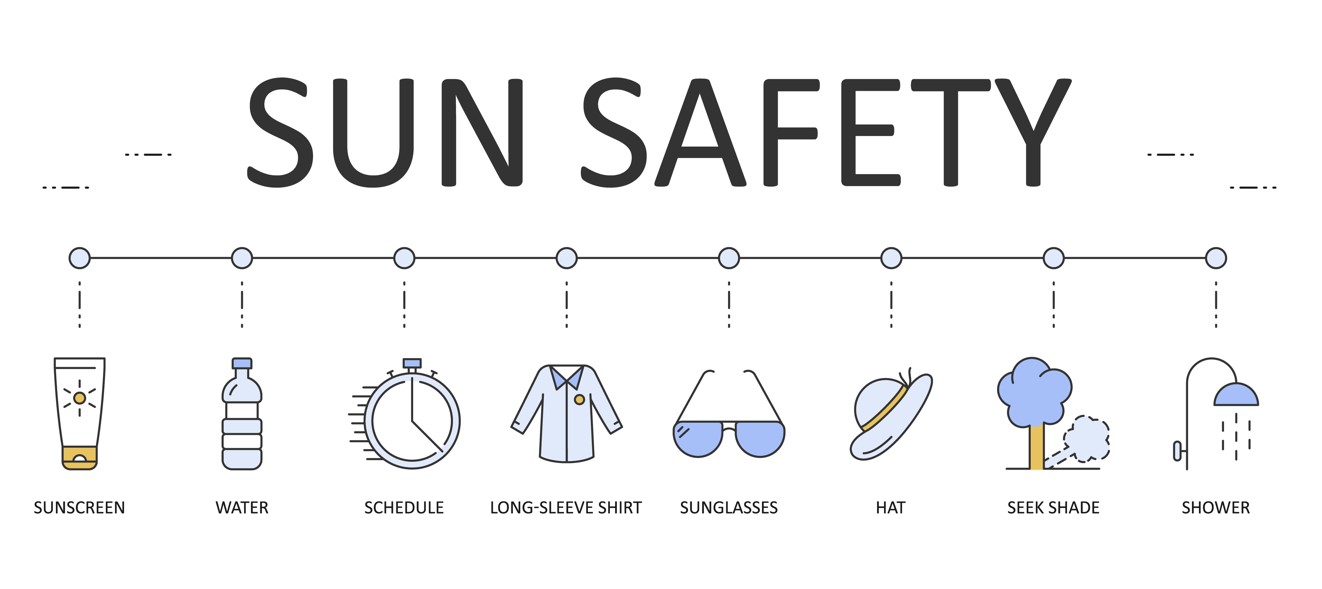
- Do Not Burn: Over exposure to the sun is the most preventable risk factor for skin cancer.
- Avoid Sun Tanning and Tanning Beds: UV light from tanning beds and the sun causes skin cancer and wrinkling.
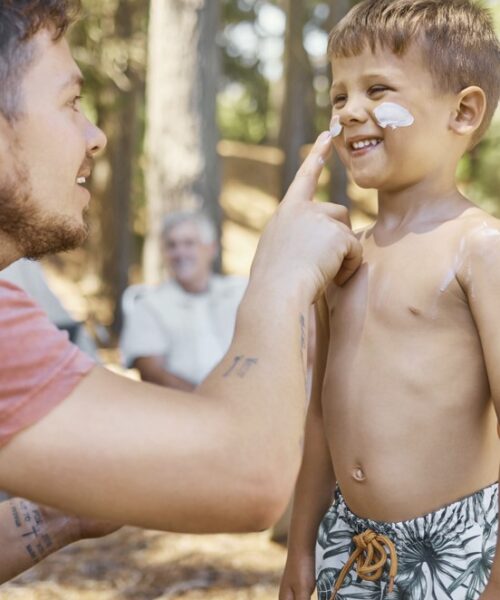
- Use Sunscreen*: Generously apply a broad spectrum sunscreen with an SPF of 15 or higher 20 minutes before going outside. Reapply at least every two hours, and after swimming or sweating. *Babies under 6 months should not use sunscreen. Protect babies by keeping them in shade and wearing protective clothing.
- Cover Up: Wear protective clothing, such as a long-sleeved shirt, pants, a wide-brimmed hat, and sunglasses with 99-100% UVA/UVB protection, when possible.
- Seek Shade: Seek shade when the sun’s UV rays are most intense between 10 a.m. and 4 p.m.
- Watch for the UV index: Pay attention to the UV Index when planning outdoor activities to prevent over exposure to the sun. To find out the current UV index in your area, visit this website http://www.epa.gov/sunwise/uvindex.html#lookup.
Types of Skin Cancer
There are three major types of skin cancers: basal cell carcinoma, squamous cell carcinoma, and melanoma.
- Basal Cell Carcinoma: This is the most commonly diagnosed skin cancer. It usually appears on overexposed skin on the face, ears, lips, and particularly the nose. Rarely does basal cell carcinoma result in death, but it can spread and cause more serious health problems. Basal cell carcinomas can start as a red patch or shiny bump that is pink, red, or white. It may be crusty or have an open sore that won’t heal. Because of effective early detection and treatment, basal cell carcinoma has a cure rate of more than 95%.
- Squamous Cell Carcinoma: This is the second most common skin cancer. It is more aggressive than basal cell carcinoma and can spread to other parts of the body and may result in death. Squamous cell carcinomas appear as a scaly patch or raised warty growth. Because of effective early detection and treatment, squamous cell carcinoma has a cure rate of more than 95%.
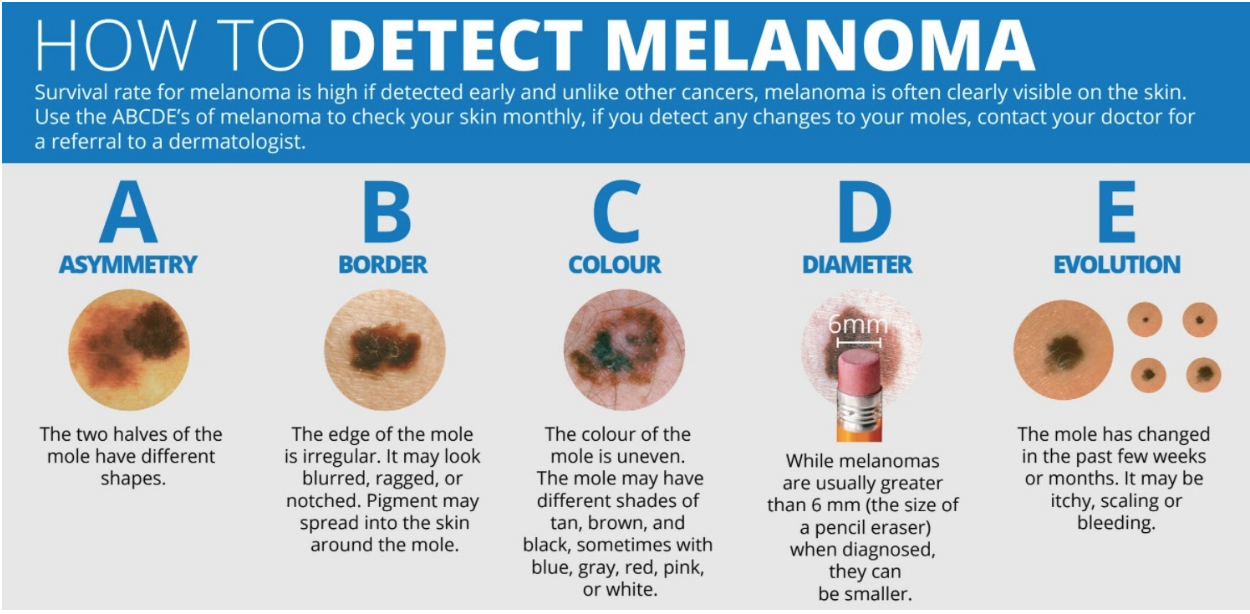
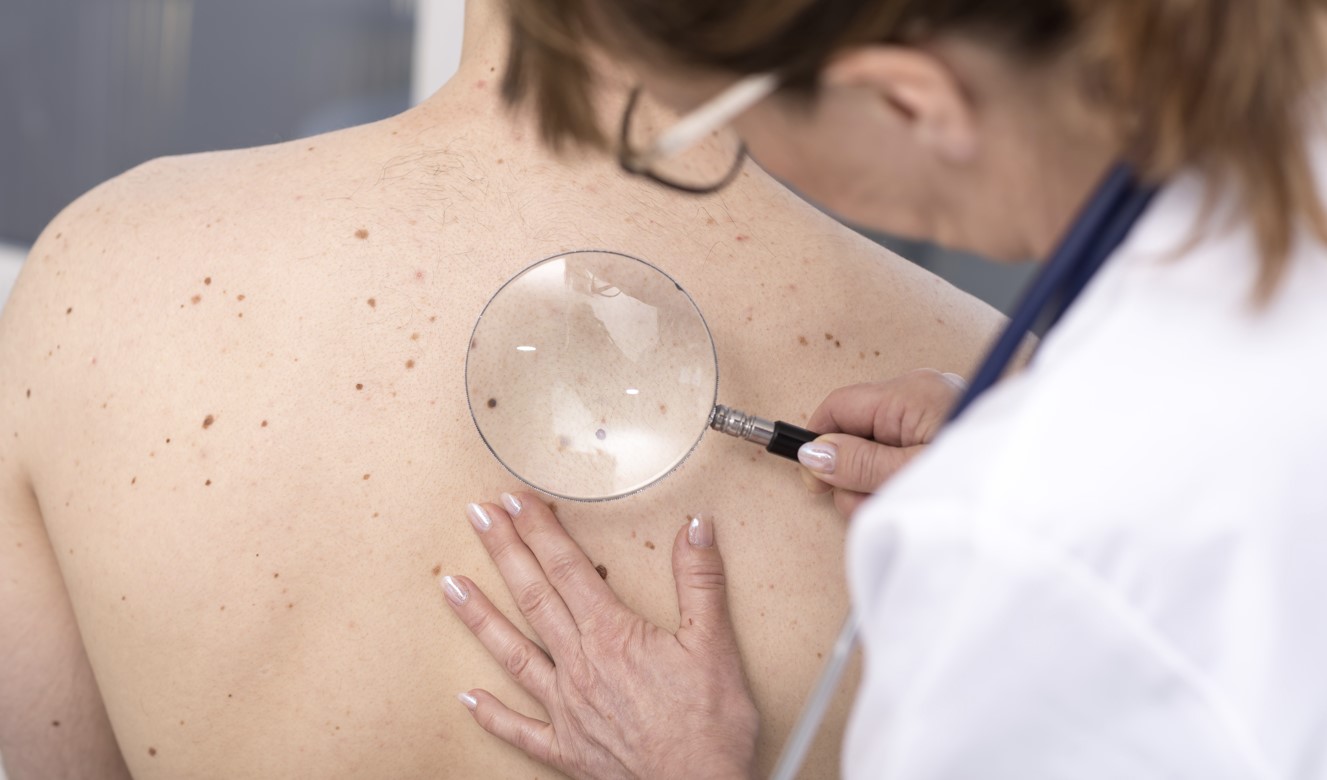
- Melanoma: This is the most aggressive and dangerous skin cancer. Malignant melanoma causes approximately 75% of skin cancer deaths. Idaho had the highest melanoma death rate nationally from 2001-2005, 26% higher than the U.S. average. About 40 people in Idaho die of melanoma every year. Receiving one or two blistering sunburns before the age of 18 at least doubles an individual’s risk for developing melanoma. Fortunately, melanoma can be detected early through regular skin examinations. Here’s what to look for.
Know the ABCDE’s of Melanoma
No Sun For Baby
Public Health Idaho North Central District is currently teaching WIC clients throughout the Health District about the importance of protecting their babies from the sun through a program called No Sun for Baby. One important message they receive is that sunscreen is not recommended for babies younger than six months of age. Sunscreen can somewhat impair effective cooling by perspiration, making it difficult for babies to stay cool. Infants also have proportionally more skin for the size of their body compared to adults. Sunscreens are made of chemicals, so the chemical exposure is relatively minimal for older children and adults compared to a baby because their body surface is smaller. However, if adequate clothing and shade are not available, the American Academy of Pediatrics advises using sunscreen on small areas of the baby’s body such as the face and back of the hands.
Your baby’s skin has to last a lifetime, so now is the time to start protecting it. The following sun safety measures should be used to help protect babies from the sun:
- As much as possible, avoid the sun between 10:00 a.m. and 4:00 p.m. when the sun’s rays are the strongest.
- Seek or create shade for your baby and limit the time in the sun.
- When outdoors, make sure your baby wears a light weight long sleeve shirt, long pants, and a sun hat that protects the neck and ears even when it’s hot.
- Give your baby plenty of water during hot days - babies sweat too!
- Remember that water, snow, concrete, and glass can make the sun’s rays stronger and more harmful to your baby’s skin.
- For babies older than six months, apply sunscreen with a Sun Protection Factor (SPF) of 15 or higher 20 minutes before going outside and reapply every two hours when outside.
Online Skin Cancer Resources
- American Academy of Dermatology - www.aad.org
- American Cancer Society
- Centers for Disease Control and Prevention - www.cdc.gov/cancer/skin
- Environmental Protection Agency - www.epa.gov/sunwise
- National Council on Skin Cancer Prevention - www.skincancerprevention.org
- The Skin Cancer Foundation - www.skincancer.org
- Sun Safety Alliance - www.sunsafetyalliance.org